
The IRGC’s Digital Pivot
How Has the IRGC Communication Style Changed?

Executive Summary
This post analyses the IRGC’s transition from old-school religious propaganda to modern digital influence. While the medium—ranging from AI-generated clips to LEGO animations—may seem trivial, the underlying strategy is serious.
In modern geopolitics, Information Warfare is the attempt to influence an audience’s perception to gain a competitive advantage. It is becoming as vital as conventional military power because it targets the “home front.” By shifting from religious sermons to viral internet content, the IRGC isn’t just trying to be trendy; they are trying to lower the cost of their operations by making Western opposition to their goals socially and politically unfashionable.
Analysis
🔹️The 1979 generation focused on martyrdom, religious elegies, and defensive moralising. They viewed the US as a powerful monolith.
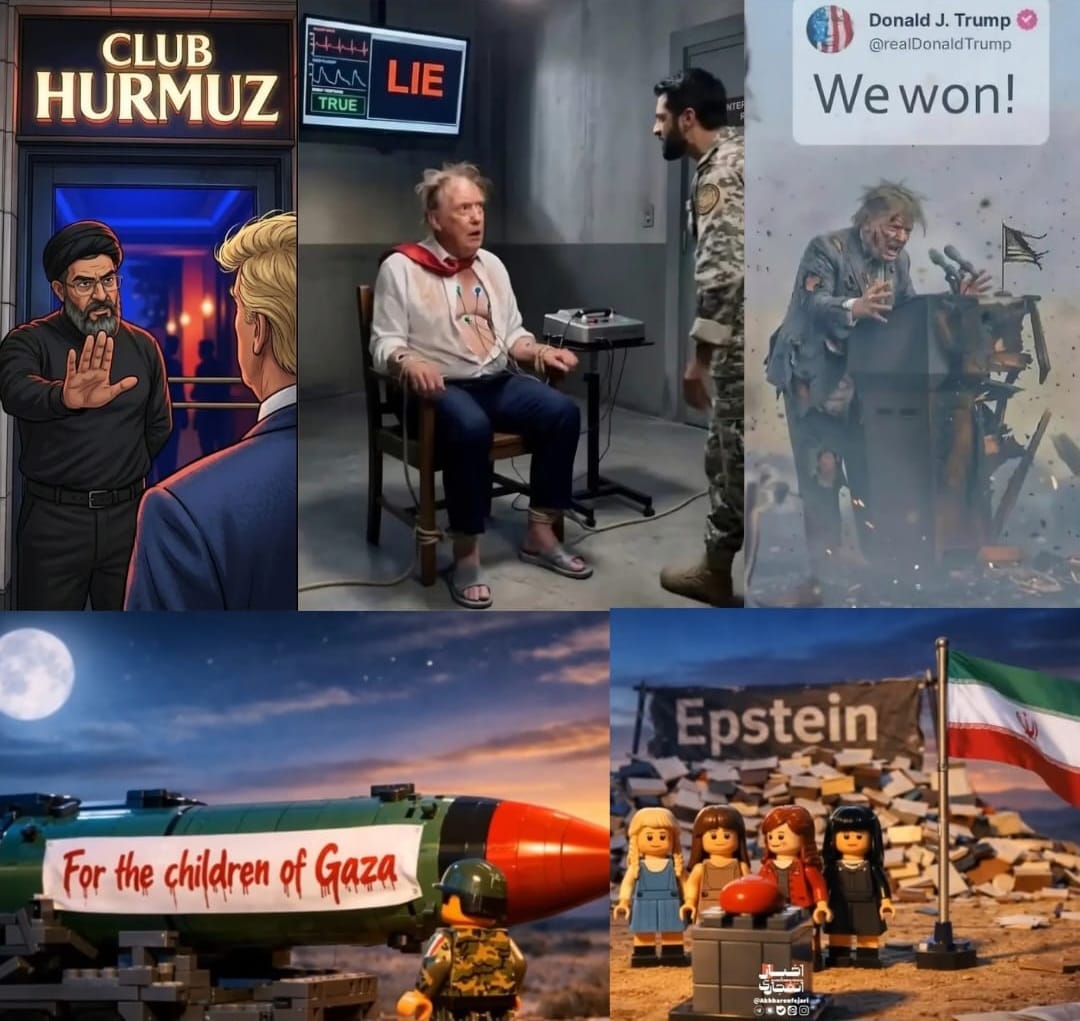
The Millennial/Gen-Z officers do not view the West with an inferiority complex, focusing on victory and strength rather than victimhood. Having grown up on the same internet as their targets, they use #AI-generated content, high-speed “trap” beats, and viral aesthetics (e.g., LEGO animations) to bypass traditional media filters.
🔹️From Umma to Universalism: The IRGC has abandoned the Shi’a theological vocabulary that previously isolated its message. To achieve global reach, they have adopted the lexicon of the international Left and the Global South:
• Key Terms: Settler colonialism, genocide, anti-imperialism, and occupation.
• Strategy: By using human rights and international law frameworks, they make their ideology “legible” to a secular, Western audience that has no prior interest in Iranian politics.
🔹️The IRGC no longer tries to build new arguments; instead, they “inhabit” existing grievances within the target population.
• The “Epstein” Key: They have successfully linked their geopolitical struggle to Western domestic populist anxieties (e.g., the “Epstein Island” elite).
• Algorithmic Collapse: Their content is designed to appeal simultaneously to the Anti-War Left (anti-colonialism) and the MAGA Right (betrayal by elites/anti-interventionism).
• Result: This creates a rare phenomenon where disparate political bubbles—who usually never interact—are sharing and validating the same Iranian-produced narrative.
🔹️The IRGC’s success is predicated on the collapse of credibility in Western media. As younger cadre understands that attention is the ultimate terrain. The Goal is to make the cost of Western intervention politically impossible by turning the target’s own population against their government’s foreign policy through a “death by a thousand viral cuts.”
This is not a “soft war” of persuasion; it is an Information Operation designed to bypass cognitive defences by dressing Iranian state interests in the garb of local, Western domestic outrage.
Conclusion
The IRGC’s “makeover” isn’t about becoming more moderate; it’s about becoming more relatable to a Westerner’s “For You” page. The shift boils down to three practical changes:
From “Preaching” to “Posting”: They’ve realized that 1970s-style religious elegies don’t travel. By using LEGOs, high-speed beats, and AI, they aren’t looking for converts to their religion; they are looking for engagement. They are meeting Western youth on the platforms they already use, in the formats they already consume.
A “Borrowed” Vocabulary: They’ve swapped theological jargon for the language of Western social justice and populism. By using terms like settler colonialism or anti-imperialism, they make their regional power-grabs sound like a human rights struggle. It’s a rebranding effort that makes Iranian state interests “clickable” for people who would otherwise never support a theocracy.
Weaponizing Local Grievances: The IRGC has stopped trying to explain Iran and started focusing on Western flaws. By tapping into existing domestic anger—like distrust of “elites” or the “Epstein” narrative—they hitch their wagon to existing Western political fights.
The IRGC’s new style is a move from isolation to immersion. They’ve stopped trying to scream through the wall and have instead started blending into the crowd, hoping that if they sound enough like a local Western activist or a populist skeptic, no one will notice who is actually funding the message.
Quite interesting conclusions